Marketing
Digital Marketing in 2026: How Businesses Can Turn Attention Into Customers
Digital marketing is no longer just about getting likes, followers or impressions. Successful businesses focus on attracting the right audience, building trust and turning attention into measurable results. This article explains how websites, SEO, social media, advertising and customer experience can work together to generate real business growth.

Make yourself comfortable.
Getting attention online has never been easier.
Keeping that attention is another matter entirely.
A business can create a social media account within minutes, launch an advertisement within an hour and reach thousands of people before the end of the day.
But reaching people and convincing them to become customers are two completely different things.
That distinction is one of the most important things businesses need to understand about digital marketing.
Followers are useful.
Views are encouraging.
Likes are nice.
But unless those numbers contribute to enquiries, relationships, sales, referrals or stronger brand awareness, they are only part of the story.
Successful digital marketing requires something much more deliberate.
Start With Your Customer, Not Your Platform
Businesses often begin their marketing conversations with questions such as:
"Should we be on TikTok?"
"Should we boost this Instagram post?"
"Should we start running Google Ads?"
Those questions come too early.
The first question should be:
Who exactly are we trying to reach?
A useful customer profile should consider:
Age group
Location
Income or purchasing power
Problems they need solved
Interests
Buying behaviour
Preferred communication channels
Reasons they may choose one brand over another
A company targeting corporate executives should not automatically communicate the same way as a brand targeting university students.
Good marketing begins with understanding people.
Platforms come afterwards.
Your Website Should Work Like Your Best Salesperson
Many companies spend money driving customers to websites that are slow, confusing or outdated.
That creates a costly problem.
Your advertisement does its job.
The customer clicks.
Then the website loses the sale.
A strong business website should quickly answer several questions:
Who are you?
What do you offer?
Why should I trust you?
How do I buy or contact you?
Visitors should not have to search extensively for this information.
Your website should also work properly on mobile devices because a significant portion of online browsing happens from smartphones.
Important website elements include:
Clear headlines
Easy navigation
Strong calls to action
Contact information
Fast page loading
Mobile-friendly design
Testimonials or evidence of previous work
Product or service information
Secure browsing
Search-friendly content
Your website should not simply exist.
It should actively support your sales process.
Stop Chasing Followers Without a Strategy
A large follower count can create social proof, but follower numbers alone do not guarantee business growth.
Ten thousand uninterested followers are often less valuable than one thousand people who genuinely fit your target market.
This is why buying followers or chasing meaningless engagement can be misleading.
A healthy social media strategy should focus on attracting the right audience.
Content should educate, entertain, solve problems, build trust or give people a reason to remember your brand.
A useful content mix might include:
Educational Content
Teach your audience something helpful.
A pharmacy could explain basic wellness topics.
A real estate business could explain property documentation.
A technology company could share cybersecurity tips.
Product and Service Content
Show people exactly what you offer and how it helps them.
Behind-the-Scenes Content
Show the people and processes behind the company.
Customer Stories
Testimonials and case studies help potential customers understand what working with you looks like.
Brand Personality
Not every post needs to sell something.
Brands become memorable when audiences understand their personality and values.
SEO Is a Long-Term Asset
Search engine optimisation, commonly known as SEO, helps your website appear when people search online for information related to your products, services or industry.
Unlike advertising, where visibility usually reduces when spending stops, strong search content can continue attracting visitors over time.
A useful SEO strategy includes:
Researching what customers search for
Publishing useful articles
Optimising page titles
Writing effective meta descriptions
Using clear page structures
Improving website speed
Creating internal links between relevant pages
Making websites mobile-friendly
Maintaining accurate business information online
Businesses should also think about local search.
Someone searching for a service often includes phrases such as:
"near me"
"in Accra"
"in Ghana"
or another specific location.
Businesses serving physical locations should therefore make local visibility part of their digital strategy.
Content Marketing Builds Trust Before the Sale
Most customers are not ready to buy the first time they discover a business.
They may compare prices.
Read reviews.
Visit your website.
Check your social media.
Ask friends.
Leave.
Then return weeks later.
Content helps your business remain useful during that decision-making process.
Imagine two companies offering the same professional service.
One company has only a homepage and telephone number.
The other regularly publishes practical articles answering questions customers frequently ask.
Which company appears more knowledgeable?
Content can establish credibility before your sales team ever speaks to the customer.
Paid Advertising Works Better With a Clear Funnel
Digital advertising can be incredibly effective, but simply boosting random posts is not a complete strategy.
Before spending money, businesses should understand the journey they expect customers to take.
For example:
Advertisement → Landing Page → Enquiry → Follow-Up → Sale
or
Social Media Video → Product Page → Checkout → Purchase
Every step matters.
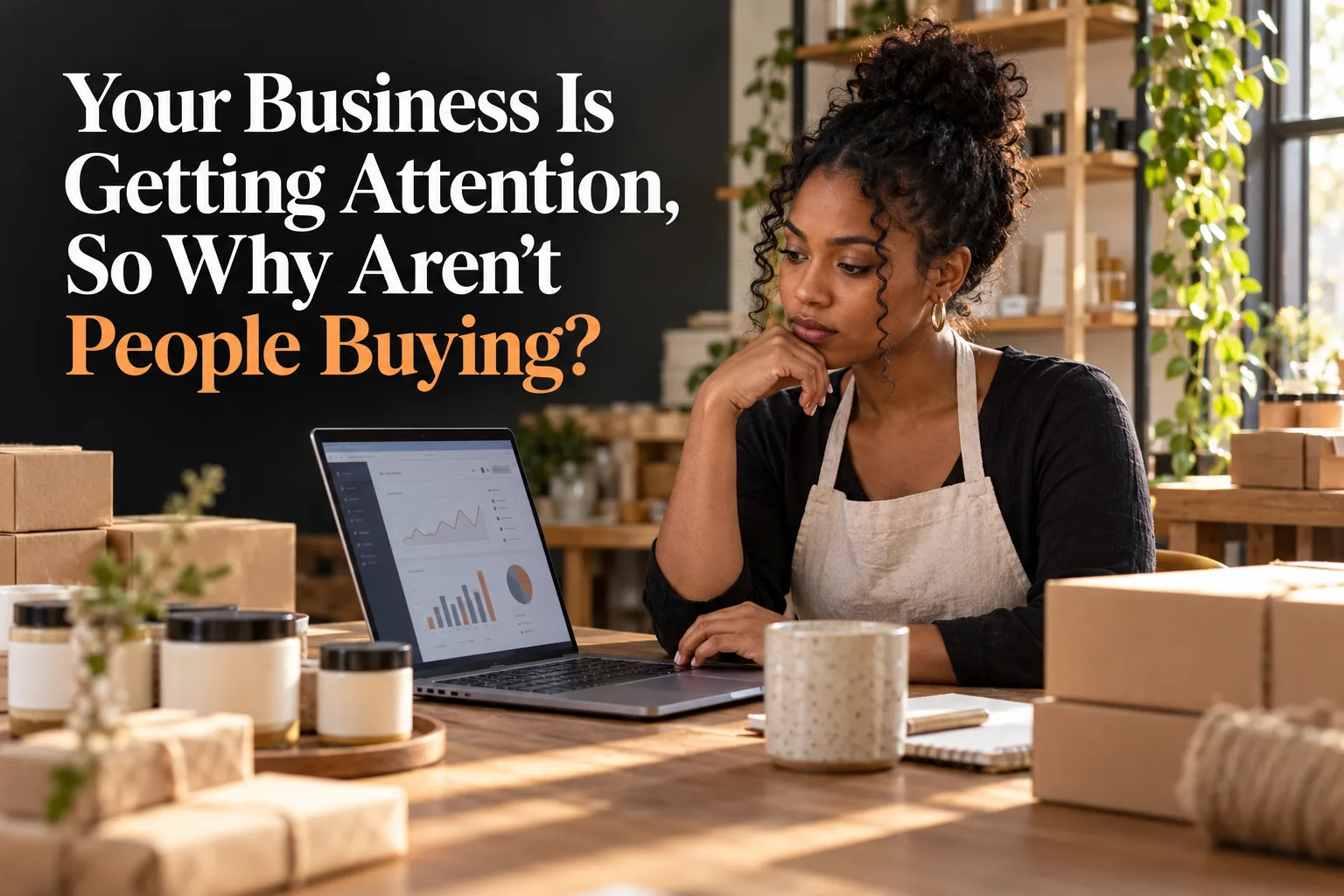
If advertisements are generating clicks but customers are not buying, the problem may not be the advertisement.
The landing page could be unclear.
The price could be uncompetitive.
The checkout could be difficult.
The sales team may be responding too slowly.
Marketing performance has to be analysed across the entire customer journey.
Email Still Matters
Social media platforms control how much of your audience sees your content.
An email database gives businesses a more direct communication channel.
Email can be used for:
Promotions
Product launches
Educational newsletters
Event invitations
Customer onboarding
Abandoned-cart reminders
Customer retention
Follow-up communication
The key is relevance.
Sending useful information to people who intentionally joined your mailing list is very different from flooding inboxes with constant promotional messages.
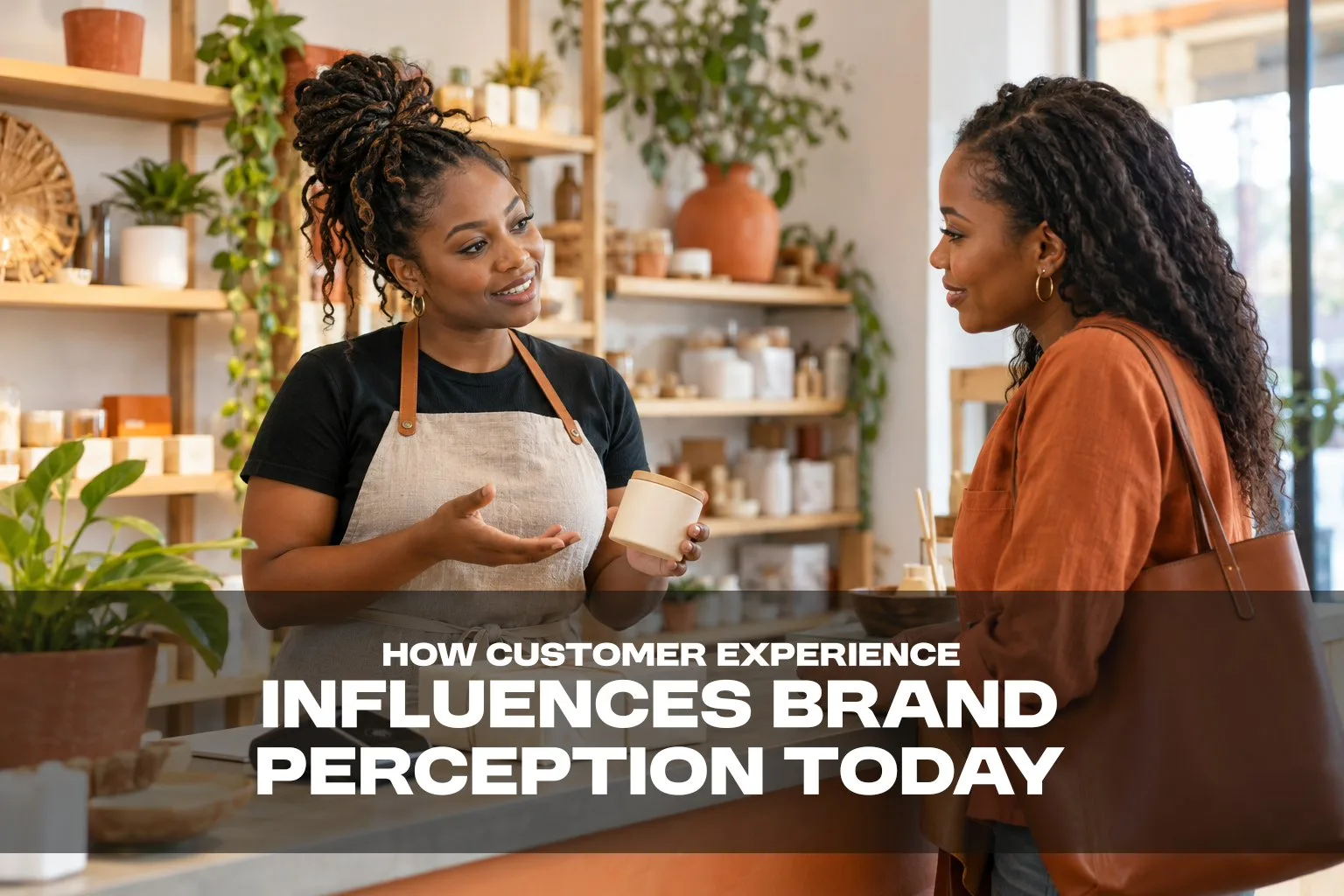
Customer Experience Is Part of Marketing
Marketing does not end when somebody buys.
In many cases, that is where some of the most powerful marketing begins.
A satisfied customer can:
Purchase again
Recommend your business
Leave a positive review
Share your brand online
Refer friends and colleagues
A dissatisfied customer can do the opposite.
Businesses should therefore pay attention to response times, delivery, packaging, customer support, complaint handling and after-sales communication.
Advertising can introduce someone to your business.
Customer experience determines what they tell other people afterwards.
Measure What Actually Matters
Marketing dashboards can become distracting because they provide dozens of metrics.
Not every metric deserves equal attention.
Businesses should connect marketing performance to business outcomes.
Useful measurements can include:
Website traffic
Qualified enquiries
Cost per lead
Conversion rate
Customer acquisition cost
Revenue generated
Repeat purchases
Email subscribers
Search visibility
Customer retention
Likes and impressions still have value, particularly when measuring awareness.
They simply should not be mistaken for revenue.
Consistency Beats Occasional Marketing
One of the biggest marketing mistakes businesses make is disappearing until they need customers.
Marketing works better as a continuous process.
Brands build familiarity through repeated exposure.
Someone may see your business today without responding.
They might encounter it again next month.
Several months later, when they finally need what you offer, your company may be the first name they remember.
That familiarity is built gradually.
Strong brands are rarely created by one viral post. They are built through hundreds of consistent interactions.
Build a Marketing System, Not Just Campaigns
The strongest digital marketing strategies connect multiple channels.
A potential customer might discover your company through social media, search your name on Google, visit your website, read an article, subscribe to your mailing list and eventually contact your sales team.
Each channel supports the others.
That is why businesses should stop treating websites, SEO, social media, advertising, branding and customer service as completely separate activities.
Together, they form one customer experience.
And ultimately, effective digital marketing comes down to a relatively simple idea:
Understand the right people, give them something valuable, earn their trust and make it easy for them to do business with you.
Everything else is a tool for achieving that.
Frequently Asked Questions
What is digital marketing?
Digital marketing refers to promoting businesses, products and services through online channels such as websites, search engines, email, social media and digital advertising.
What is the best digital marketing strategy for small businesses?
A strong small-business strategy usually combines a professional website, relevant social media activity, useful content, local SEO, customer reviews and carefully targeted advertising.
Should businesses focus on SEO or paid advertising?
Both can serve different purposes. Advertising can generate immediate visibility, while SEO typically focuses on building longer-term organic visibility.
How often should a business post on social media?
There is no perfect number. Posting consistently with useful, relevant content is generally more important than posting constantly without a clear purpose.
How do you know whether digital marketing is working?
Measure outcomes connected to business objectives, including qualified enquiries, sales, conversion rates, customer acquisition costs, website traffic and customer retention.
Digital marketing is not about being everywhere. It is about being present in the right places, with the right message, when your customer needs you.