Health
The Cost of Ignoring Your Health: Why Listening to Your Body Matters
Many people are so accustomed to meeting responsibilities, supporting their families, and pursuing their goals that their own health becomes an afterthought. A persistent headache may be dismissed as stress. Unusual tiredness may be attributed to a demanding schedule. Changes in the body may be ignored because there never seems to be enough time to visit a health professional. For some people, seeking medical attention happens only when a problem begins to interfere...

Make yourself comfortable.
Many people are so accustomed to meeting responsibilities, supporting their families, and pursuing their goals that their own health becomes an afterthought.
A persistent headache may be dismissed as stress. Unusual tiredness may be attributed to a demanding schedule. Changes in the body may be ignored because there never seems to be enough time to visit a health professional. For some people, seeking medical attention happens only when a problem begins to interfere significantly with daily life.
However, taking care of our health requires more than responding when we feel seriously unwell. It also involves recognising changes, seeking appropriate medical advice, and taking preventive care seriously.
Listening to Your Body Is an Important Starting Point
Your body deserves your attention—not sometimes, but always.
The human body changes in response to many factors, including sleep, nutrition, physical activity, stress, infections, and underlying health conditions.
Occasional tiredness or discomfort does not necessarily indicate a serious problem. Nevertheless, symptoms that persist, recur, worsen, or interfere with everyday activities deserve attention.
Rather than assuming that every symptom is harmless, it is better to consider the circumstances, monitor changes where appropriate, and seek medical guidance when necessary.
A healthcare professional can assess symptoms in context and determine whether further investigation or treatment is needed.
Paying attention to your health does not mean becoming anxious about every physical sensation. It means taking reasonable concerns seriously instead of repeatedly dismissing them.
Prevention and Early Attention Matter
Preventive healthcare helps people identify health risks and address them before complications develop. Depending on a person’s age, medical history, family history, and individual circumstances, preventive care may include blood pressure checks, appropriate screening tests, vaccinations, dental care, and routine consultations with healthcare professionals.
High blood pressure is one example of why preventive checks matter. It often causes no obvious symptoms, yet uncontrolled hypertension can increase the risk of serious complications, including stroke and heart disease.
A person cannot reliably determine their blood pressure simply by judging how they feel. Measuring it with an appropriate device and seeking professional guidance when readings are concerning are important steps.
Routine checks should be tailored to individual needs rather than treated as a one-size-fits-all schedule.
Rest Is Not a Reward for Exhaustion
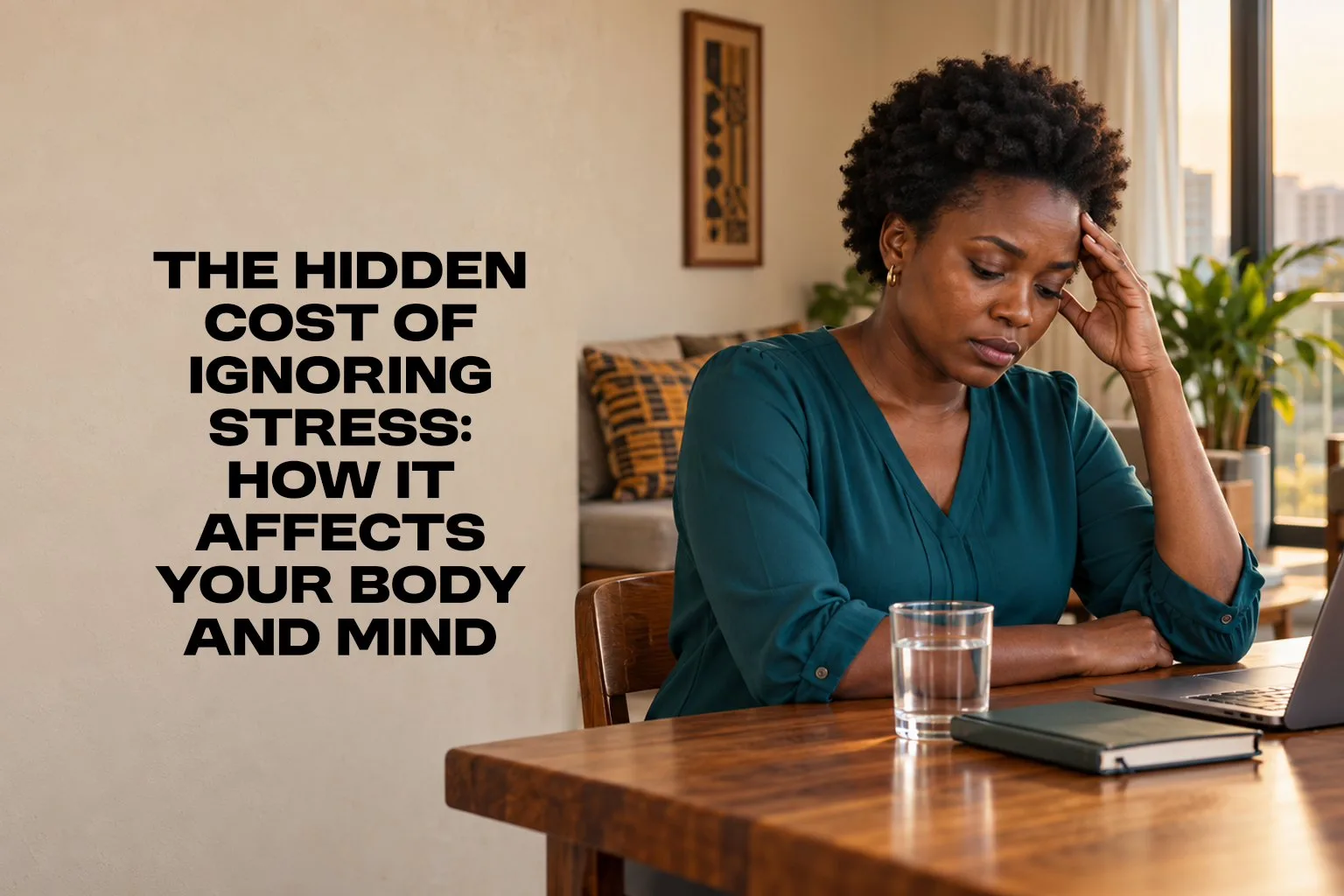
Modern life often celebrates constant productivity. People may feel pressure to remain available, complete every task, and continue working even when they are physically and emotionally exhausted.
Over time, neglecting rest can make it more difficult to maintain concentration, regulate emotions, and support general well-being. Adequate sleep, regular breaks, balanced nutrition, physical activity appropriate to one’s abilities, and time for relaxation can contribute to healthier routines.
Rest does not mean abandoning ambition. It means recognising that sustainable productivity depends partly on caring for the person doing the work.
When tiredness is persistent, unexplained, or accompanied by other concerning symptoms, however, rest alone may not address the underlying cause. Medical assessment may be necessary.
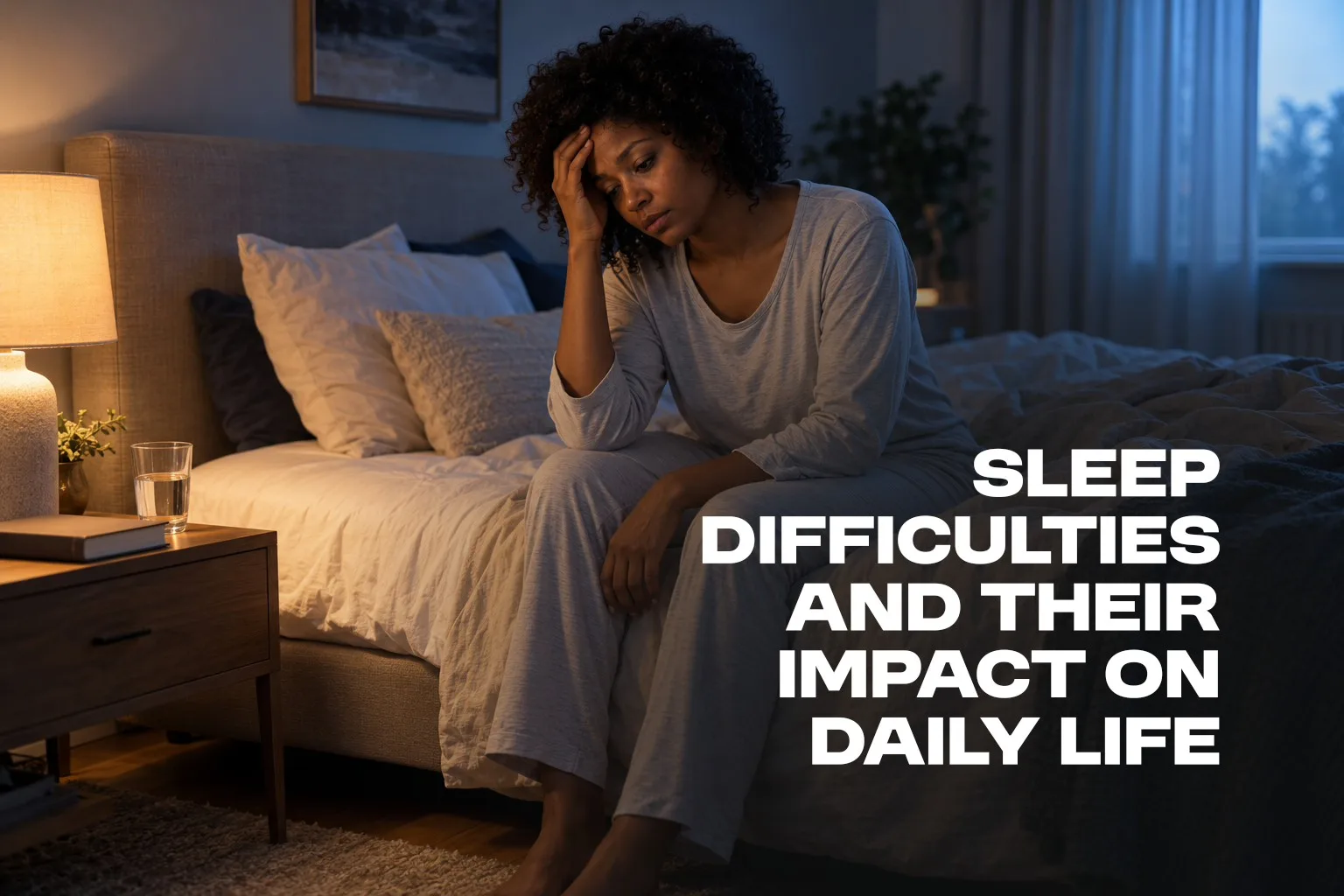
Sleep is very important—not just rest.
Women’s Health Should Never Be an Afterthought
Women’s health conversations often focus on caring for children, supporting partners, and meeting family responsibilities. Yet women also need time, resources, and encouragement to care for themselves.
Menstrual changes, persistent pelvic pain, unusual bleeding, breast changes, and other new or concerning symptoms should not automatically be dismissed as normal.
Some changes may have common, manageable explanations, while others require assessment. A qualified healthcare professional can help determine what is happening and recommend appropriate care.
Women should also feel able to discuss sensitive health concerns without shame or embarrassment. Access to reliable information and appropriate healthcare can help women make informed decisions about their bodies.
Mental and Physical Well-Being Are Connected
Health involves more than the absence of physical illness.
Emotional strain, grief, ongoing stress, social isolation, and other life challenges can affect sleep, concentration, appetite, and everyday functioning. Likewise, physical health problems can influence emotional well-being.
Making time for supportive relationships, meaningful activities, relaxation, and professional mental health support when needed can contribute to a more balanced approach to health.
People should not be expected to manage every difficulty alone, and asking for help should not be treated as a failure.
When Should You Seek Medical Attention?
There is no single rule that applies to every symptom. However, new, persistent, worsening, or unexplained symptoms are good reasons to contact a healthcare professional.
Some symptoms require emergency care rather than a routine appointment.
For example, severe chest pain, sudden difficulty breathing, sudden weakness on one side of the body, difficulty speaking, or a sudden severe headache may indicate a medical emergency. Seek emergency medical help immediately if these occur.
Severely elevated blood pressure accompanied by symptoms such as chest pain, shortness of breath, confusion, vision changes, or neurological symptoms also requires urgent assessment.
Do not wait for symptoms to disappear or rely on home remedies when emergency warning signs are present.
Knowing when to seek help can be an important part of protecting your health.
Small Habits Can Support Better Health
Caring for your health does not require changing every aspect of your life at once. You can begin with practical steps:
Make time for appropriate medical check-ups.
Follow prescribed treatments and seek advice before changing them.
Aim for consistent, adequate sleep.
Eat a varied and balanced diet.
Stay physically active in ways appropriate to your abilities.
Make time for rest and supportive relationships.
Learn about your personal health risks.
Seek reliable medical information rather than relying solely on social media advice.
These habits cannot prevent every illness, but they can support well-being and help people make informed choices.
Your Health Is Worth the Attention
It is easy to postpone a medical appointment when work, family, financial pressures, and other responsibilities demand attention.
Yet our health influences our ability to participate in the lives we are working so hard to build.
Taking symptoms seriously, attending appropriate check-ups, and asking for help when necessary are not signs of weakness. They are practical expressions of self-care and responsibility.
You do not have to wait until you are completely exhausted before you give yourself permission to rest. You do not have to wait until a problem becomes unbearable before you seek professional advice.
Your health deserves attention before a warning sign becomes a crisis.
Listening to your body, seeking appropriate care, and making informed choices are important steps towards protecting your well-being.
For general information only. Speak with a qualified health professional about your individual care.