
Health
The Hidden Cost of Ignoring Stress: How It Affects Your Body and Mind
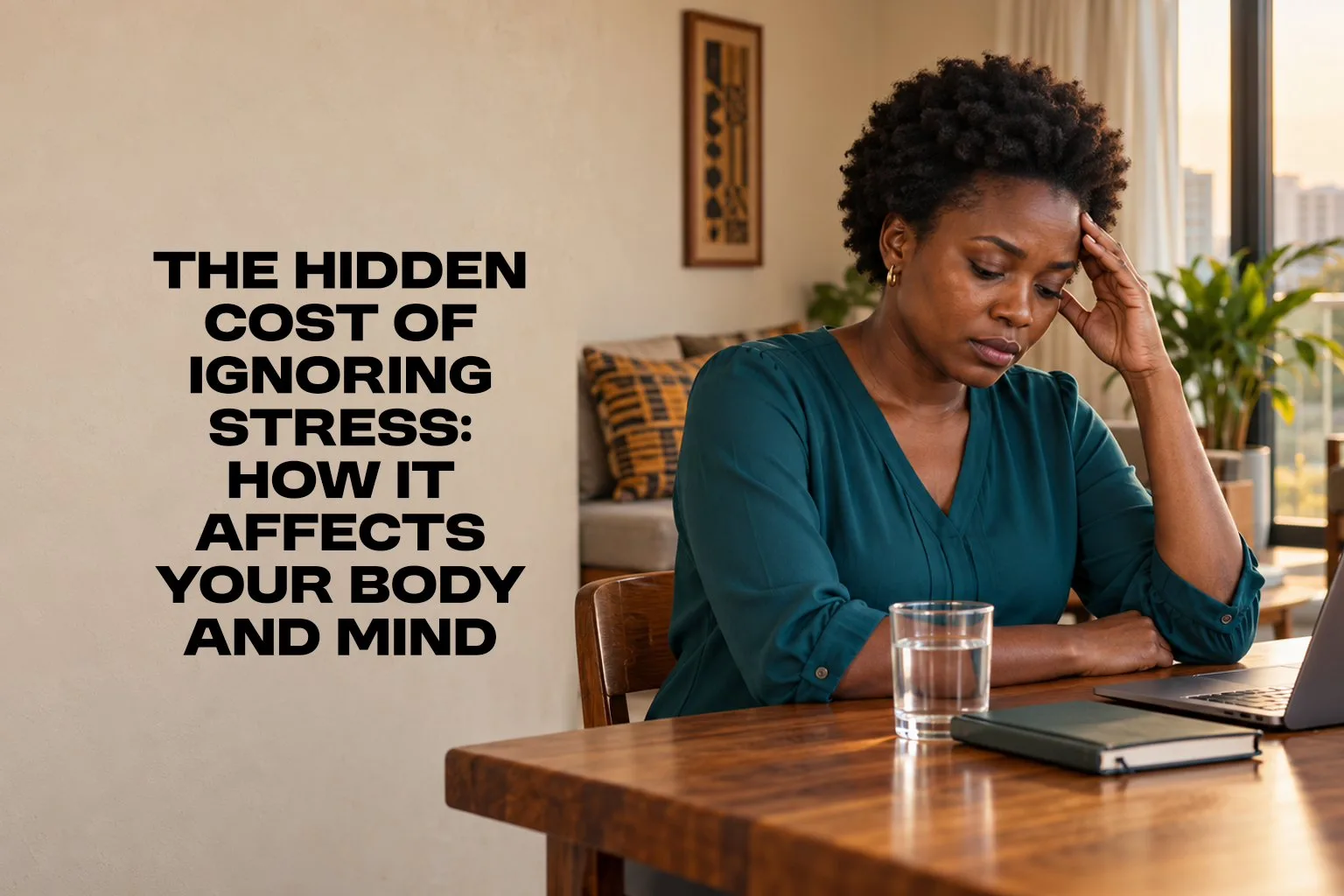
Have you ever told someone, “I’m fine,” even when you knew you weren’t? Maybe you’re worried about money, struggling at work, dealing with family issues, or facing a situation you can’t seem to change. You wake up, get through the day, smile when necessary, and keep going because life doesn’t pause simply because you’re overwhelmed. Then, at night, when everything finally becomes quiet, your mind refuses to do the same.
Make yourself comfortable.
Have you ever told someone, “I’m fine,” even when you knew you weren’t?
Maybe you’re worried about money, struggling at work, dealing with family issues, or facing a situation you can’t seem to change. You wake up, get through the day, smile when necessary, and keep going because life doesn’t pause simply because you’re overwhelmed.
Then, at night, when everything finally becomes quiet, your mind refuses to do the same.
That’s one of the hardest things about stress: you can look perfectly fine on the outside while feeling completely overwhelmed on the inside.
When Stress Starts Affecting Your Everyday Life
Stress is a normal part of life. It can help us respond to challenges and deal with difficult situations. But when stress becomes constant or overwhelming, it can begin to affect how you feel, think, and function each day.
You may become unusually irritable, struggle to concentrate, experience headaches, or have difficulty sleeping. Some people lose their appetite, while others may eat more than usual. Even small inconveniences can start to feel much bigger than they normally would.
Over time, persistent stress can leave you feeling mentally drained, physically tired, and emotionally overwhelmed.
However, these symptoms can have many different causes, so it’s important not to assume that stress is always responsible. If symptoms persist or interfere with your daily life, they deserve attention and, when necessary, professional guidance.
Why Do We Keep Pushing Ourselves?
Often, we ignore stress because we feel we have no choice.
Bills still need to be paid. Children still need care. Work still needs to be done. Family responsibilities continue, and life doesn’t suddenly become easier because we’re exhausted.
There can also be a fear that admitting we’re overwhelmed will make us appear weak, incapable, or unable to cope.
So, we carry on.
We tell ourselves that things will get better eventually. We push our feelings aside and hope the pressure will disappear on its own.
But pretending everything is fine doesn’t make the strain disappear.
In fact, ignoring stress can make it harder to recognise when you genuinely need support. The longer you continue without addressing what you’re experiencing, the easier it can become to treat constant exhaustion and emotional strain as simply “normal.”
You don’t have to wait until you’re completely exhausted before giving yourself permission to slow down.
What Can You Do About It?
You don’t necessarily have to make dramatic changes overnight. Start small.
Talk to someone you trust about what you’re experiencing instead of carrying everything on your own. Sometimes, simply having a safe space to express what you’re feeling can make a difference.
Make room for rest. Take short breaks when you can, especially during demanding days. Give yourself time to do things that help you relax and recharge.
Gentle physical activity, adequate rest, and a consistent sleep routine may also support your overall well-being.
It can also help to pay attention to the things that consistently trigger your stress. Understanding what is putting pressure on you can make it easier to decide what you can change, what you need help with, and what you may simply need to learn to manage.
And if stress is affecting your daily life or feels increasingly difficult to manage, consider speaking with a healthcare professional or qualified mental health professional.
Getting help is not a sign that you’ve failed.
It is a practical step towards taking care of yourself.
Self-Care Isn’t Selfish
Sometimes, we think taking care of ourselves means stepping away from our responsibilities.
It doesn’t.
Self-care isn’t about abandoning your family, ignoring your work, or pretending that your responsibilities don’t matter. It is about recognising that you matter too.
You cannot always pour from an empty cup.
Making time to rest, reflect, talk to someone, or simply breathe does not make you irresponsible. It means you recognise that your well-being is also worth protecting.
Final Thoughts
You can’t always control what happens around you, but you can begin paying attention to what’s happening within you.
You’re allowed to admit that something is difficult.
You’re allowed to ask for help.
And you’re allowed to rest without feeling guilty.
You don’t have to break down before acknowledging that you’ve been carrying too much.
Sometimes, the first step towards feeling better is simply being honest with yourself about how you really feel.
Because recognising that you’re struggling isn’t weakness.
Sometimes, it’s the beginning of taking your life and well-being seriously.
For general information only. Speak with a qualified health professional about your individual care.